Patient IO
Patient IO

A patient engagement platform for patients and their care managers
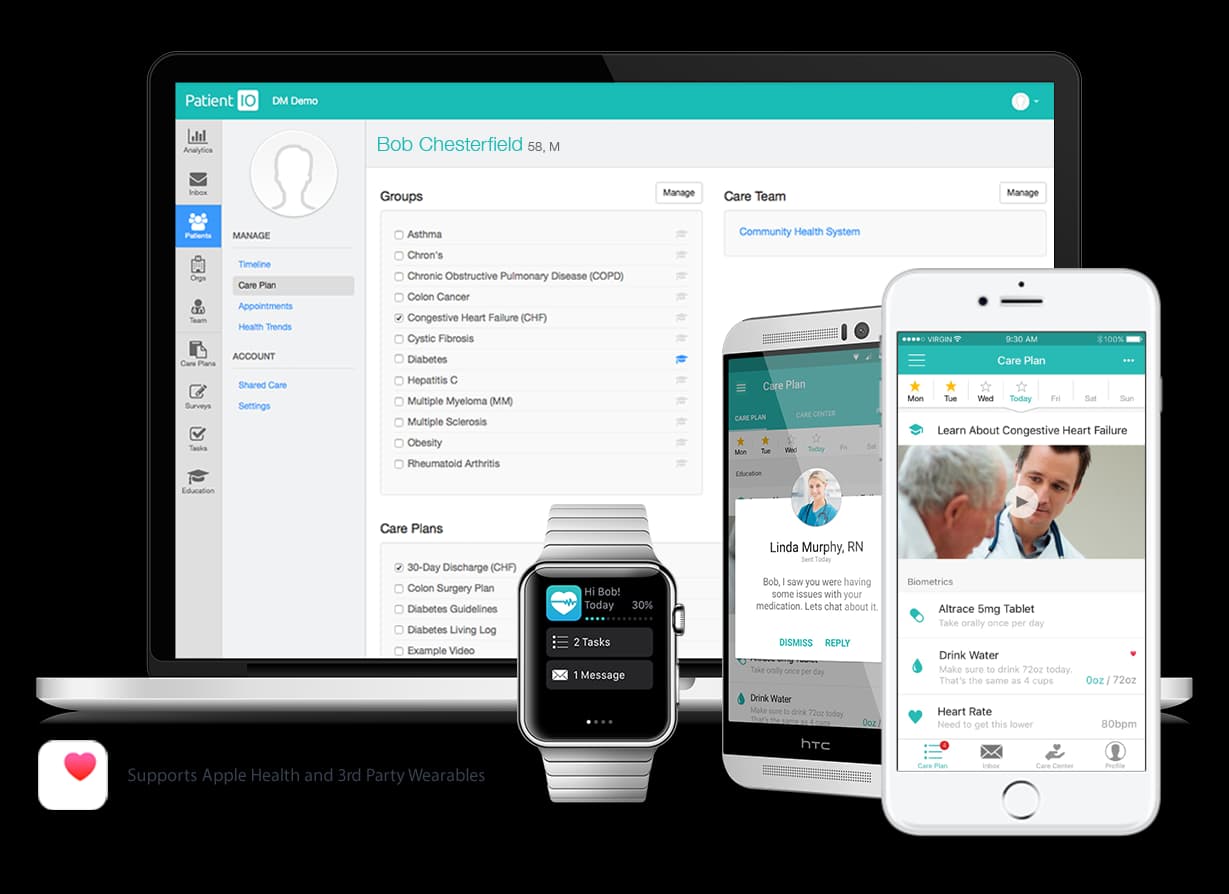
Patient IO across devices

Between visits, nobody knew.

A patient goes home with a regimen to follow. Their care team doesn't hear anything until the next appointment — by which point weeks of missed doses have already happened.

So the plan reported on itself.

Patient IO tracked medications, vitals and adherence between visits and pushed it all back to the clinician — so the care team saw the weeks they used to miss.

Every pill had to look like the real one.

People recognise their medication by sight, so a generic capsule icon is worse than useless. I built a component system that drew each pill from structured Epocrates data — thousands of drugs, no custom art.

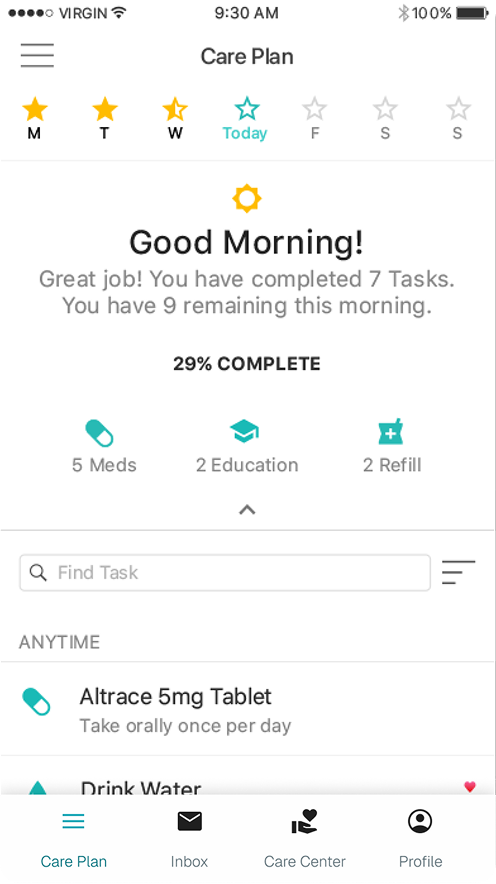
Care Plan — daily task list with medication, education, and refill counts
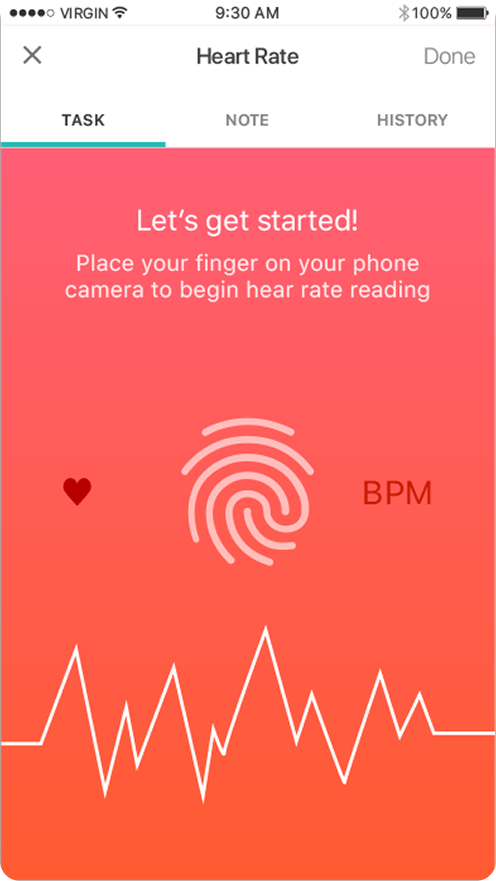
Heart Rate — camera-based reading
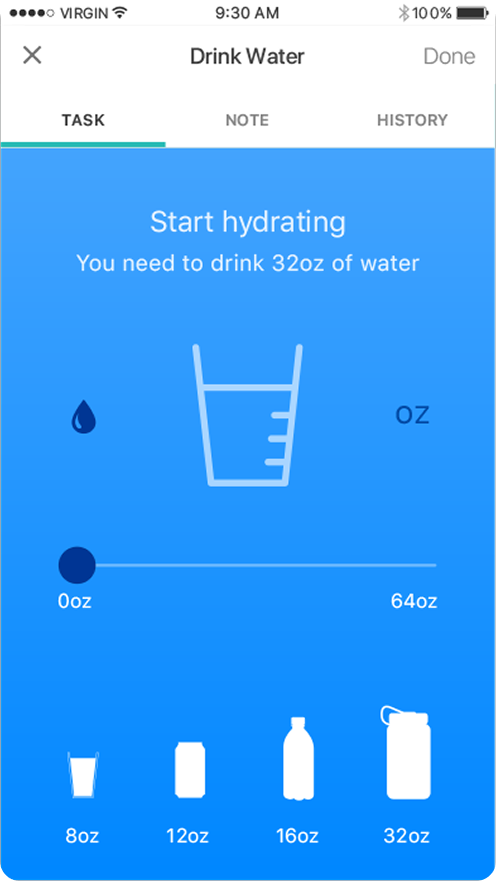
Drink Water — hydration task
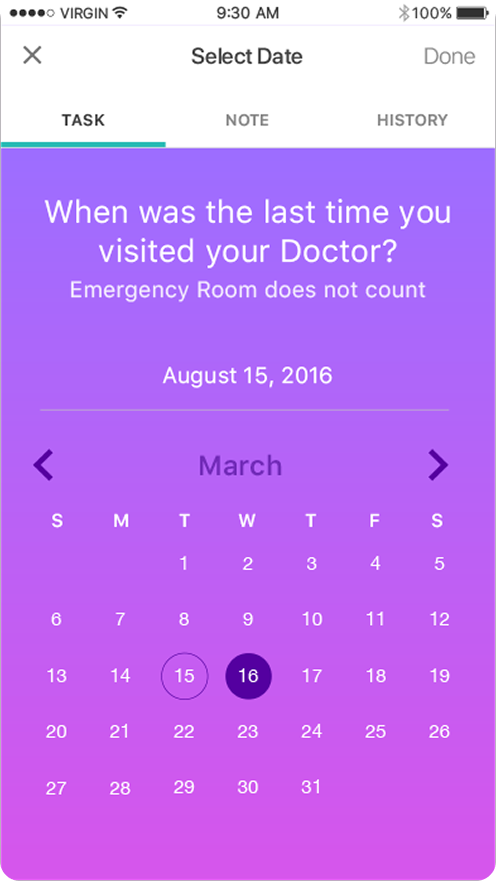
Select Date — last doctor visit
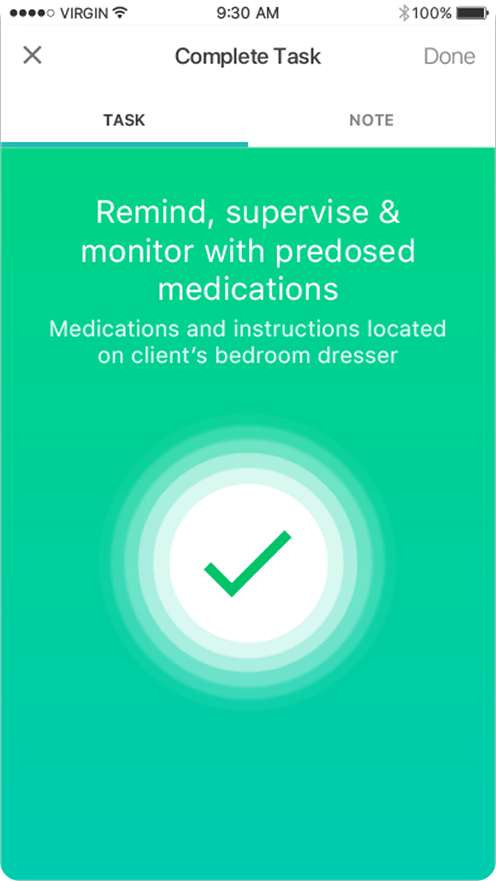
Complete Task — caregiver confirmation
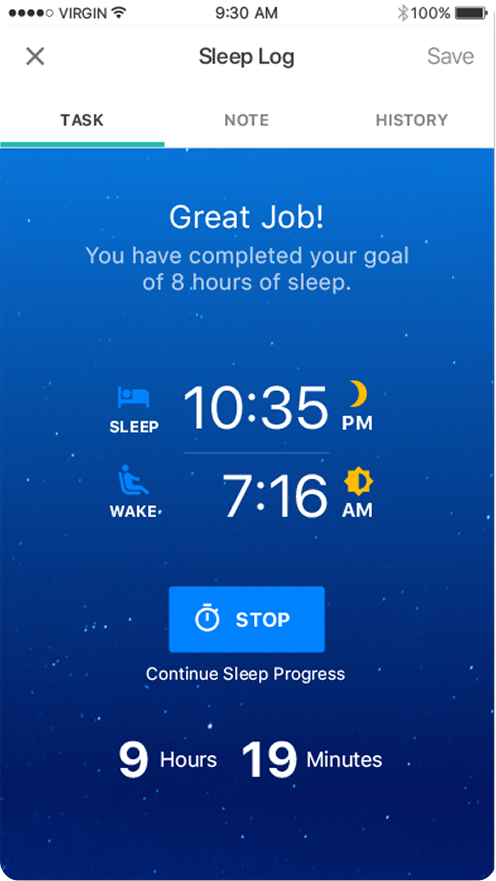
Sleep Log — nightly sleep tracking

The patient-facing app — daily tasks, vitals, and reminders that keep the care plan on track
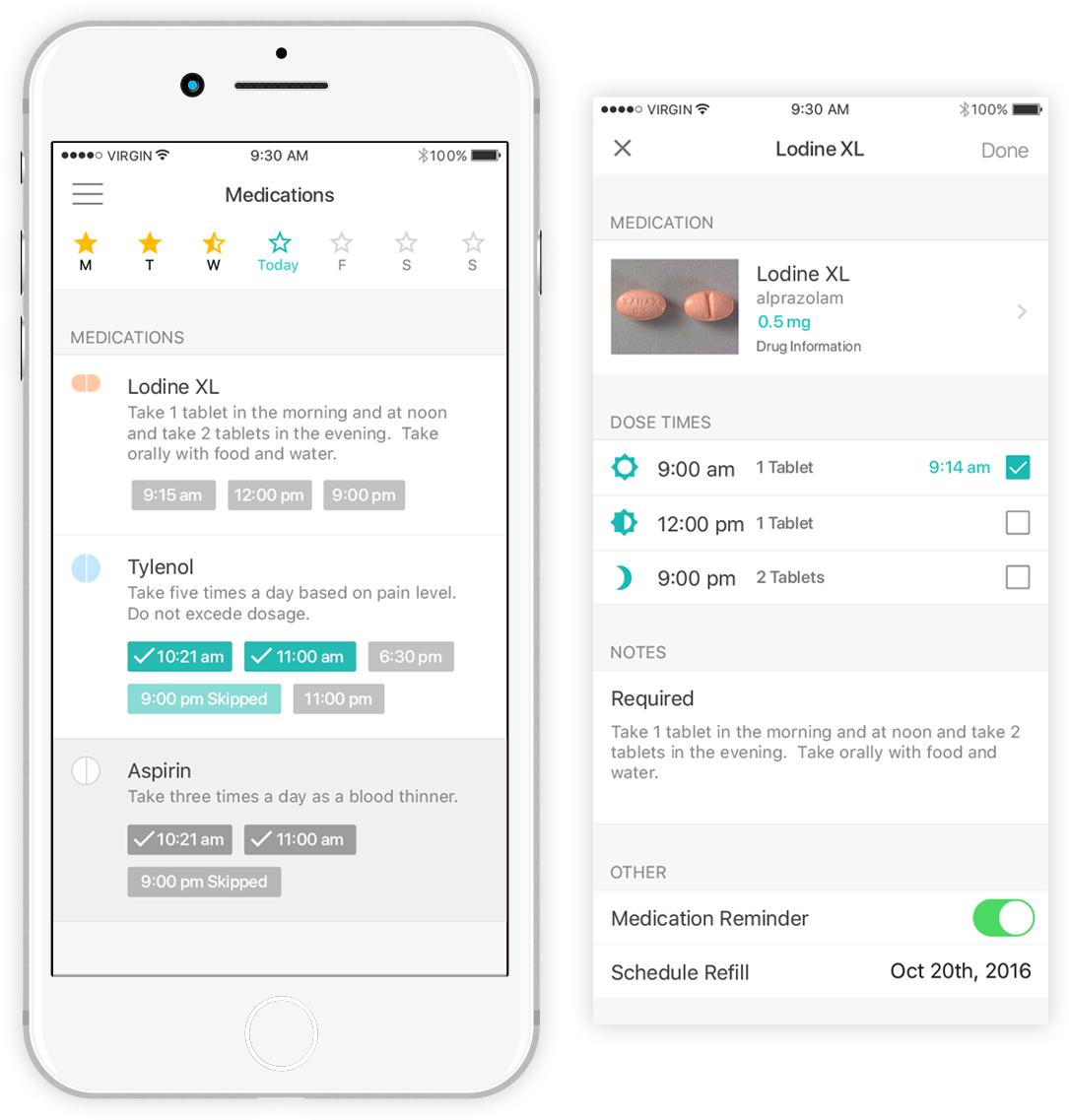
Medications module

A system for patients and caregivers to manage medications
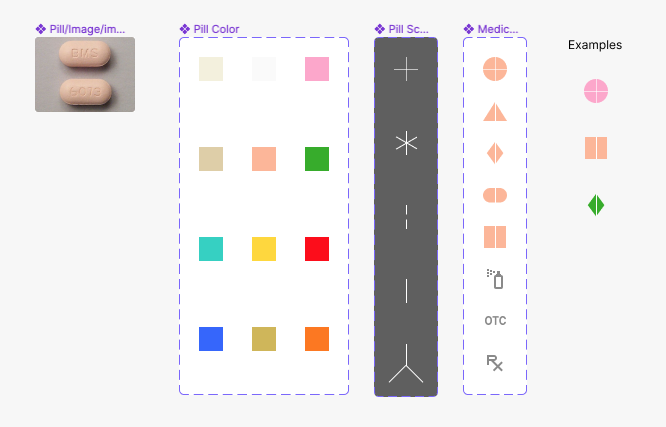
Pill-shape design system, generated from Epocrates data

Medication Design System Components

A caregiver and patient

Solo designer, fourteen people.

As the solo designer in a nimble 14-person team, I owned the end-to-end user experience for Patient IO’s mobile and desktop care platform — medication tracking, vitals, care-plan adherence, and the pill-rendering system, from early concept through shipping product.

Acquired by athenahealth

Our success led athenahealth to acquire Patient IO in August 2016. The adherence-tracking and pill-rendering patterns we built became the design foundation for their flagship patient app, athenaWell — carried forward into a platform built around three patient personas and 200+ wearable integrations, with content partnerships spanning Mayo Clinic and NIH.

Outcome

athenahealth acquired Patient IO in 2016 and adopted its adherence-tracking and pill-rendering patterns as the design foundation for athenaWell.

Impact

14

Person team, one solo product designer

2016

Acquired by athenahealth

Thousands

Drugs rendered correctly via structured Epocrates data

200+

Wearable integrations carried into athenaWell

The Team

  • 1 Solo Product Designer
  • 14-person company team

Timing

  • 2016–2017

    End-to-end mobile + desktop care platform

  • 2016

    Acquired by athenahealth

Projected Numbers

  • Thousands

    Drugs rendered via structured Epocrates data

  • 1

    Framework adopted as athenaWell's design foundation

Tools Used

  • Sketch
  • InVision
  • Zeplin
  • UserTesting

Up next — athenahealth

athenahealth

athenaConnect